You are browsing camaro5 
 |

|
 10-31-2011, 11:08 AM
|
#43 | |
|
Account Suspended
Drives: 99 Camaro SS, 79 z28, 70 GTX Join Date: Oct 2009
Location: ST Helens, OR
Posts: 1,759
|
Quote:
|
|

|

|
|
10-31-2011, 11:13 AM
|
#44 |
 
Drives: 2010 2SS RS M6 Blk Join Date: Jul 2010
Location: Md
Posts: 287
|
Switching to kettle-corm

__________________
418 LS3, custom cam, tuned vararam, ported tb, Kooks stepped LT's, Kooks Hi-Flo cats and 2.5" street sleeper cat back, 18% UDP, crap stock rear tire size 12.03 @ 117 mph.
|
|
|
|
|
10-31-2011, 11:16 AM
|
#45 |
|
Property USMC

|
I didn't know there was moisture running through there as well. Are the contaminates relivant enough that you wouldn't want a system like that? I figure if there are contaminates the oil filter would take care of them. Plus most of the people on here change there oil every 3k miles so would that matter?
|
|
|
|
|
10-31-2011, 11:19 AM
|
#46 |
|
Account Suspended
Drives: 99 Camaro SS, 79 z28, 70 GTX Join Date: Oct 2009
Location: ST Helens, OR
Posts: 1,759
|
you should see the condensation that gets steamed out.. oil and water dont mix well.. condensation happens just from temp differences from night to day
were talking about is premature wear..... your not going to blow your engine from any of this but over time it will reduce the efficiency of the engine. |
|
|
|
|
10-31-2011, 11:27 AM
|
#47 |
|
Property USMC
|
Gotcha. I understand the premature wear part and the purpose of a catch can to avoid that. I may be off topic, but i'm curious about what you said about the moisture in the system that gets steamed out. Where doesnt it condense and where does it steam out from? Is the factory system sealed in a way that moisture doesn't condense in the crankcase anyway?
|
|
|
|
|
10-31-2011, 11:29 AM
|
#48 |
|
Property USMC
|
Reason I'm asking is I'm trying to determine the pros and cons of a drain-back catch can. When I get my future camaro I may make one.
|
|
|
|
|
10-31-2011, 11:32 AM
|
#49 |
|
Account Suspended
Drives: 99 Camaro SS, 79 z28, 70 GTX Join Date: Oct 2009
Location: ST Helens, OR
Posts: 1,759
|
as metal or anything heats and cools it sweats.... take a bottle out of the fridge and put it on the table... see the moisture that builds up on it ? Moisture( water molecules) is in the air to begin with... you just need temp differences between two surfaces to see it
|
|
|
|
|
10-31-2011, 11:45 AM
|
#50 |
|
Property USMC
|
Ok, so would you say that there would be an extra amount of moisture condensed and drained back into the pan if I did this? Or would the difference be nominal and irrelivant since I will be one of those ones that changes their oil every 3k? I had a catch can on my 02 Z28 and even though I did the work on it myself I would forget about it sometimes and I always thought it would be nice to modify it to where I didn't have to worry about it.
|
|
|
|
|
10-31-2011, 11:53 AM
|
#51 |
|
Account Suspended
Drives: 99 Camaro SS, 79 z28, 70 GTX Join Date: Oct 2009
Location: ST Helens, OR
Posts: 1,759
|
nothing extra.. just the normal stuff.. the crank case is not sealed, it needs to breath... as air heats it expands
seems like a lot of work for a drain back type of system, I dont see any advantages to it... checking your can is like checking your oil or washer fluid.. something you should just get into the habit of doing |
|
|
|
|
10-31-2011, 12:08 PM
|
#52 |
|
Property USMC
|
Your right, but for some reason I would never remember LOL. It's weird cause I always check all of my fluid levels religiously. The catch can I had I put an eyelit in there so I could improve my chances of noticing it when it got 1/2 full, that's how bad I was about checking it. But, I didn't think there would be anything to worry about so I will make a drain-back can when I get mine. Thanks for anwering the questions. Just out of curiosity how much vacuum is being pulled through the catch can?
|
|
|
|
|
10-31-2011, 12:35 PM
|
#53 |
|
The Mark of Excellence
Drives: 2010 ABM 1SS RS LS3 Join Date: Jan 2009
Location: Smallest State in the Union
Posts: 8,688
|
Oil in the intake equals dirty valves, piston tops and intake and exhaust runners. Oil does not burn as clean as gasoline. Does that about sum it up?
__________________
BMR, CAI, DynoMax, Elite Eng., Hurst, Jannetty, Clear Image Headers & Hi Flow cats, Jet Hot, LSR, TSW, VMax, Vredestein  |
|
|
|
|
10-31-2011, 03:16 PM
|
#54 |
|
Account Suspended
Drives: 2012 Camaro RS, RX supercharged Join Date: Dec 2009
Location: Bradenton, FL
Posts: 6,063
|
OK, I'm back from a week in TX doing the Whiteside Customs SEMA build. Fabbed a custom twin turbo system onsite with the new Borg Warner FER turbos and the first RX Super Chiller system on a turbo application.
So to address this as nicely as I can...(there is no such thing as a "GM world class master tech" unless he made up the title his self). Oil ingestion into the intake air charge is never good no matter what the application, and here is why: You only want air and fuel in the combustion chamber. Other than water vapor and some other inert gasseous compounds oil has these negative effects, and as any tuner knows...the detonation caused is a huge issue when tuning for max power. Oil reduces the amount of useable octaine. pure and simple. The resulting carbon buildup on the piston tops alters the burn pattern. (critical to lower emmissions and maximum efficiency) The carbon/"gunk" build-up on the intake valves reduces the volumetric effieciency (look at the Shell/Mobil commercials of intake valves with as little as 5k miles on). All this results in less energy released per explosive event resulting in less power produced and reduced fuel efficiency. Long term, the carbon buildup will shed and be pushed between the piston/rings/cylinders resulting in accelerated wear. Carbon is extremely abrasive and is caused by the oil buring in the combustion chamber. Now, addressing reintroducing this oil caught back into the crankcase: Blowby (all engines have some, worn or damaged ones more) is a part of every internal combustion engine. This blow0by consists of several compounds....all harmfull to the engine. Here is a partial list (anyone in the trucking or race industry uses oil analysis on a regular basis and the results list all these and the damage they cause): Moisture. One of the biggest cuprits as several have posted above. Unburnt fuel. contaminates the crankcase oil and thins it reducing its ability to protect the internal parts. Carbon particles. As covered above....diamond like abrasiveness that accelerates engine wear. Sulfuric acid. Created from a mixture of the water vapor and compounds released from the heated engine oil and other combustion byproducts. Causes corrosion of metal parts and further contaminates the engine oil reducing its ability to protect and lubricate. Now the gasseous compounds are pulled through the intake manifold where they are burnt to some extent in the combustion process....and the rest by the catalytic converters leaving mostly water vapor as the byproduct. (besides CO2 and carbon monoxide). The vacuum supplies the means to evacuate the crankcase (breathers just vent to the atmosphere unless it is the RX unit that has an integrated oneway check valve that also controlls the amount of flow as the open unrestricted ones will make tuning difficult due to the unmetered air entering. To date the RX breather kit is the only one were aware of on the market that controlls this). A proper catchcan (and there are several very good functioning ones on this site) retains the closed system and proper crankcase evacuation remains intact. To install a vented catchcan with a breather on the can breaks the closed evacuation system and defeats the function resulting in the harmful combustion byproducts left in the crankcase oil to further contaminate the engine oil. Everytime the engine reaches operating temp the harmfull combustion compounds will "flash off" or vaporize to a gasseous state, and if not evacuated or "flushed" from the crankcase they will recondense when the motor cools back down coating internal engine parts with the corrosive compounds as well as remixing with the engine oil. Every cycle this worsens and the result again is reduced engine life due to excessive premature wear. That is why no matter what the engine use (we use belt driven vacuum pumps on our drag motors to protect them) a proper crankcase evacuation system is critical, and all the OEM systems accomplish this....but they do nothing to deal with the oil ingestion issue. Why would GM or any other manufacturer claim a oil separating catchcan system is not needed? Because 98% of all car buyers have no clue this is an issue for one, and the reacurring profits from dealer service departments with the "upper end induction cleaning" they reccomend every 10-15k miles for $150-$250 is a tremendous profit source. Most here know it as a SeaFoam cleaning. If the oil is trapped and not ingested deposit buildup is reduced to a very minimum and the induction cleaning is not needed for most engines lifetime. Anyone that has had this service done feels the pepiness and response returned to the car so that in itself is proof of the need. Now, my qualifications: I am NOT a World class anything, but here is a list that does qualify me: over 35 years building race and performance engines. (we tear down LS based engines here weekly and see the results). Mechanical engineering, Machinest, Fabricator for over 30 years. Graduate of Reher Morrision Racing Engine building school. (RM is one of the most respected engine builders in the entire racing/performance world and a contract R&D facility for several automotive manufactures as well as NHRA, IHRA, and IRL). I have owned/raced professional drag teams through the years with multiple Divisonal, National, and World championships in several classes both NHRA & IHRA. (yes, I have personally won the NHRA Wally....the most prestigious trophy in NHRA drag racing). I have developed/invented 29 products for the aftermarket performance industry with thousands in use over the years including several oil separating crankcase evacuation systems incuding the only system that provides proper crankcase evacuation for turbo applications during both boost & non boost applications. This subject/engine system is the most misunderstood period and with so many uneducated/misinformed people posting conflicting opinons on the internet it will continue to be. If someone thinks it is a waste of $ by all means, dont buy one. Your car will still run pretty ggod and last pretty long, but for those that love their baby and want the best, it is a small cost for the peace of mind. Here are some more pics to go with Chases and others: Brand new dodge 6.1 hemi: 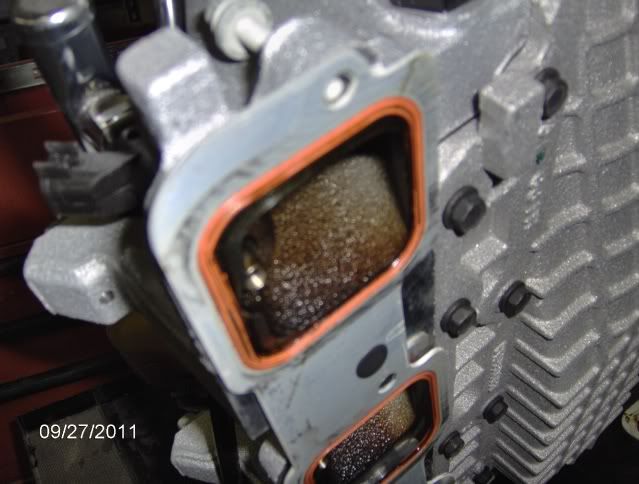 LS motor w/no catchcan:  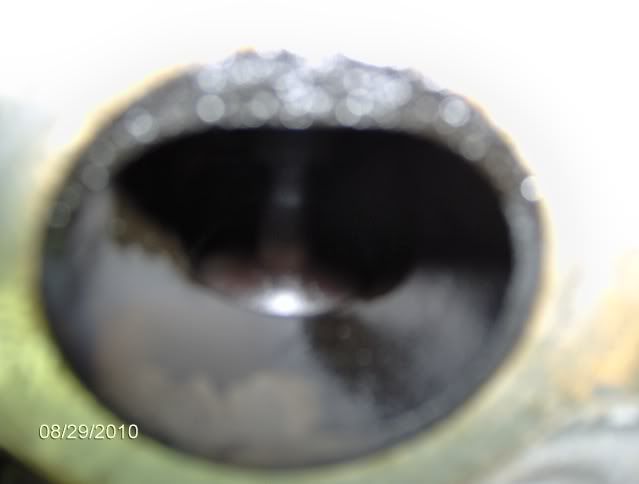 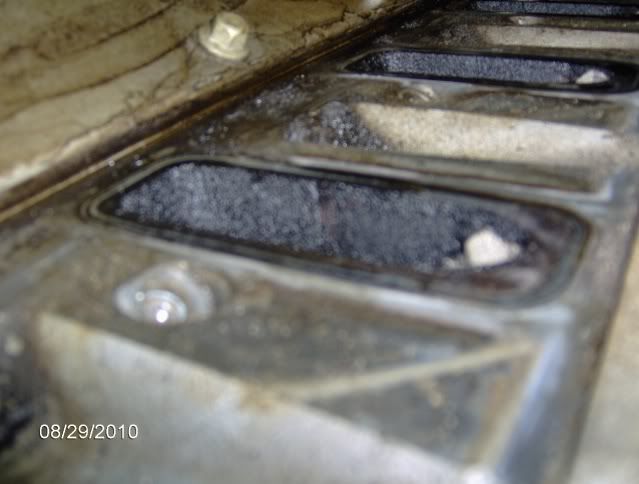 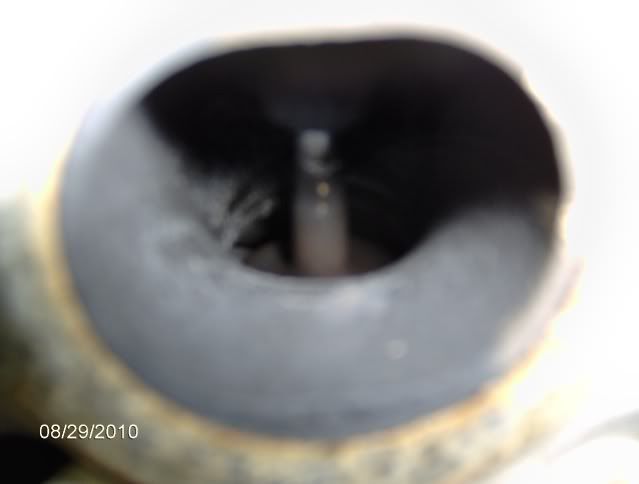 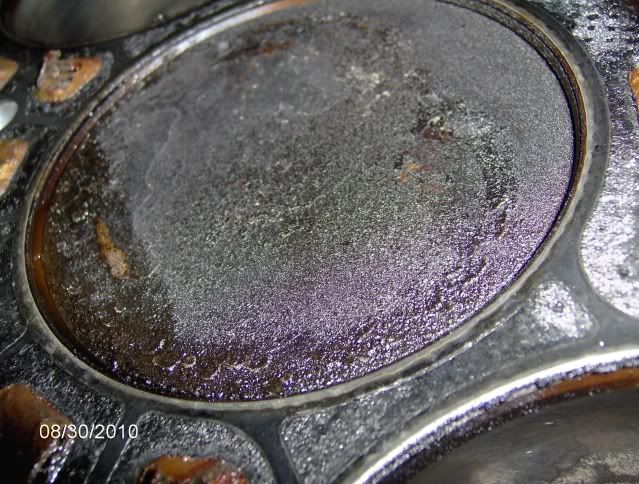 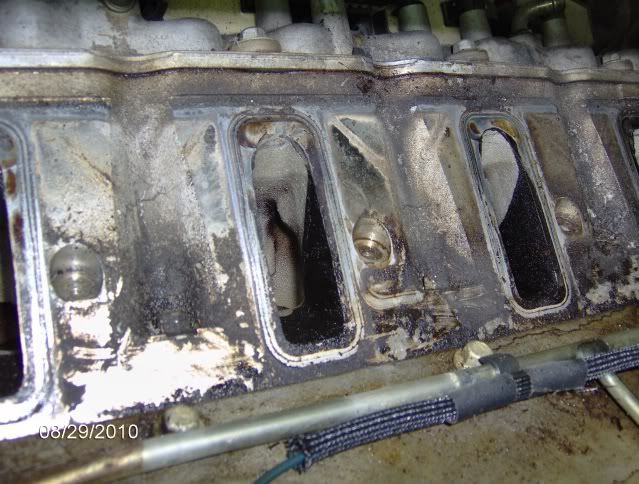 Now to address most manufactures stance on this: The oil separating catchcan |
|
|
|
|
10-31-2011, 04:34 PM
|
#55 |
Drives: Has Wheels Join Date: May 2011
Location: On Earth
Posts: 5,553
|
Damn, great job Tracy. I think everyone just got schooled, in a great way
 . .
|
|
|
|
|
10-31-2011, 04:59 PM
|
#56 |
|
The Mark of Excellence
Drives: 2010 ABM 1SS RS LS3 Join Date: Jan 2009
Location: Smallest State in the Union
Posts: 8,688
|
I guess I oversimplified it.
__________________
BMR, CAI, DynoMax, Elite Eng., Hurst, Jannetty, Clear Image Headers & Hi Flow cats, Jet Hot, LSR, TSW, VMax, Vredestein |
|
|
|
|
|
|
|
 |
|
|
 Similar Threads
|
||||
| Thread | Thread Starter | Forum | Replies | Last Post |
| Scrming's Rx Catch Can install & review | scrming | Camaro V6 LLT Engine, Exhaust, and Bolt-Ons | 87 | 07-16-2015 07:29 PM |
| Elite Engineering PCV Oil Catch Cans | Instock | Best Prices with Free Shipping! | JDP Motorsports | V8 Bolt-Ons & Tunes | 137 | 08-13-2014 04:06 PM |
| *****Billet Oil Catch Cans!!!***** | DREV LSX | V8 Bolt-Ons & Tunes | 156 | 03-08-2012 04:46 PM |
| DIY catch can for $27 and a little time... | shines | Camaro V8 LS3 / L99 Engine, Exhaust, and Bolt-Ons | 17 | 09-22-2011 08:30 PM |
| Oil Catch Can questions | jagan323 | Camaro V6 LLT Engine, Exhaust, and Bolt-Ons | 42 | 11-12-2010 07:42 PM |